
In today’s digital world, social media has become a cornerstone of marketing strategy. Brands and businesses no longer simply post content for the sake of it—they actively track, measure, and analyze their social media data to refine strategies, boost engagement, and improve conversion rates. This is where social media analytics come into play. Whether you’re a seasoned marketer or just starting, understanding social media analytics is crucial for staying competitive and achieving your goals.
But how do you leverage analytics tools to get the most out of your social media efforts? What metrics should you track to ensure you’re moving in the right direction? Let’s dive in.
The Importance of Analyzing Social Media Data
Social media is a goldmine of information. By analyzing the data behind your posts, interactions, and campaigns, you can uncover valuable insights into what’s working and what’s not. This data allows you to:
- Understand your audience: Know what your followers care about, what content they engage with most, and what drives them to act.
- Refine your content strategy: Identify the type of content that resonates best with your audience. Whether it’s video, blog posts, or infographics, the data will show you what works.
- Optimize your posting schedule: Knowing when your followers are online helps you post at the right time for maximum engagement.
- Measure campaign performance: Analytics help you track key performance indicators (KPIs) and adjust campaigns to improve results.
- Boost ROI: By continuously refining your strategies, you can ensure that your social media efforts deliver the best return on investment (ROI).
So, now that we understand why social media analytics matter, let’s explore the key metrics that should be on your radar.
Key Metrics Every Marketer Should Track
1. Engagement Rate
Engagement is the true indicator of how your audience is interacting with your content. It includes likes, comments, shares, and clicks. Engagement rate is calculated as:
Engagement Rate = (Total Engagements / Total Followers) x 100
A high engagement rate means your audience finds your content valuable, and they are actively interacting with it. Focus on this metric to gauge whether your content resonates with your target audience.
Actionable Tip: If your engagement rate is low, try experimenting with different types of posts, such as polls, quizzes, or behind-the-scenes content, to spark more interaction.
2. Reach
Reach refers to the total number of unique users who have seen your content. Unlike impressions (which counts how many times your content was displayed, regardless of whether it was clicked), reach gives you an understanding of the potential audience size.
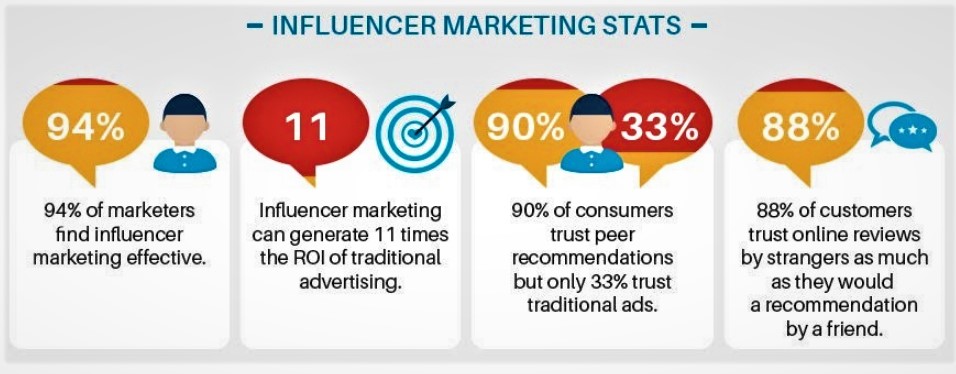
Actionable Tip: A low reach may indicate that your content isn’t being seen by enough people. Try increasing your posting frequency, using relevant hashtags, and collaborating with influencers to expand your reach.
3. Impressions
Impressions are the number of times your content is displayed on users’ screens, whether they engage with it or not. Impressions help measure the overall visibility of your content.
Actionable Tip: If impressions are higher than engagement, it might mean people are seeing your content but aren’t compelled to interact. Focus on crafting more compelling headlines and visually appealing graphics.
4. Click-Through Rate (CTR)
The CTR measures how many users click on your content after seeing it. This metric is especially important if you’re driving traffic to your website or landing pages.
Actionable Tip: Low CTR? It could mean your call-to-action (CTA) isn’t clear enough. Experiment with more compelling CTAs, such as “Learn More,” “Get Started,” or “Download Now,” and ensure the link is easily visible.
5. Follower Growth
This metric tracks the increase or decrease in the number of followers over time. Steady growth is a good sign that your content is attracting and retaining new audience members.
Actionable Tip: To boost follower growth, be consistent with your content, post high-quality visuals, and engage directly with your followers through comments and direct messages. Hosting giveaways and running ads also helps accelerate growth.
6. Conversion Rate
The conversion rate tracks how well your social media efforts lead to tangible actions, such as purchases, sign-ups, or other goal completions. This metric is crucial for businesses focused on sales and lead generation.
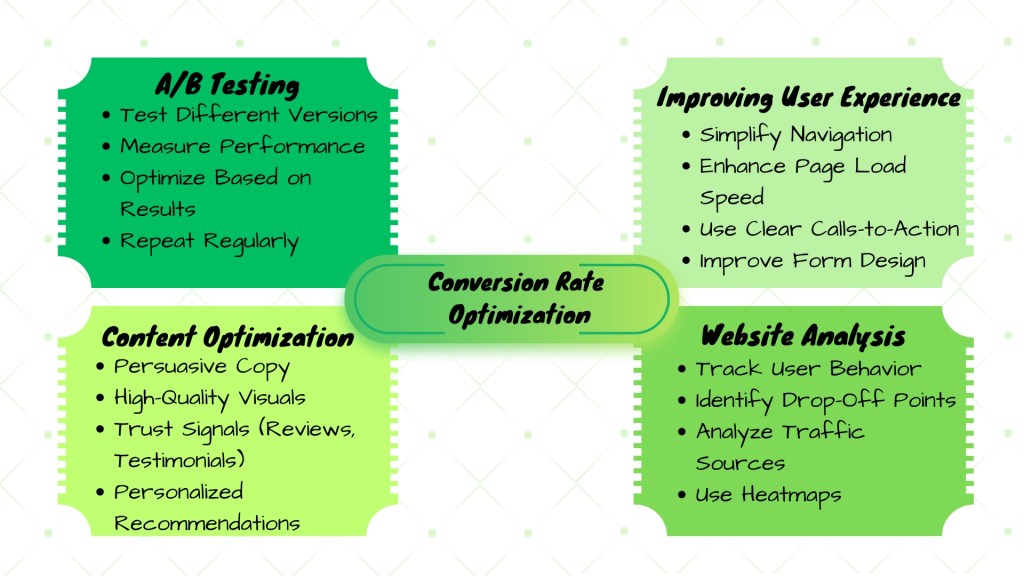
Actionable Tip: Use targeted ads, remarketing strategies, and lead magnets (like free downloads or trials) to increase conversions. Ensure your landing pages are optimized for mobile users, as they’re a significant portion of social media traffic.
Will continue to subscribe my blog and we will discuss more about power of Social Media Analytics in coming week.



 Erika Marketing
Leave a comment